

As we enter the 2026 tax season, many taxpayers are noticing a shift in the market. With the recent implementation of the One Big Beautiful Bill Act (OBBBA) and its sweeping changes to 100% bonus depreciation and SALT deduction limits, the complexity of a “standard” return has increased.
Consequently, the question is no longer just “What is the fee?” but rather, “What is the value of the expertise provided?”
Average Tax Preparation Fees: A 2026 Benchmark
While “cheap” high-volume retail tax chains may offer lower entry points, high-net-worth individuals and business owners typically require the precision of a Certified Public Accountant (CPA) or a specialized tax advisor.
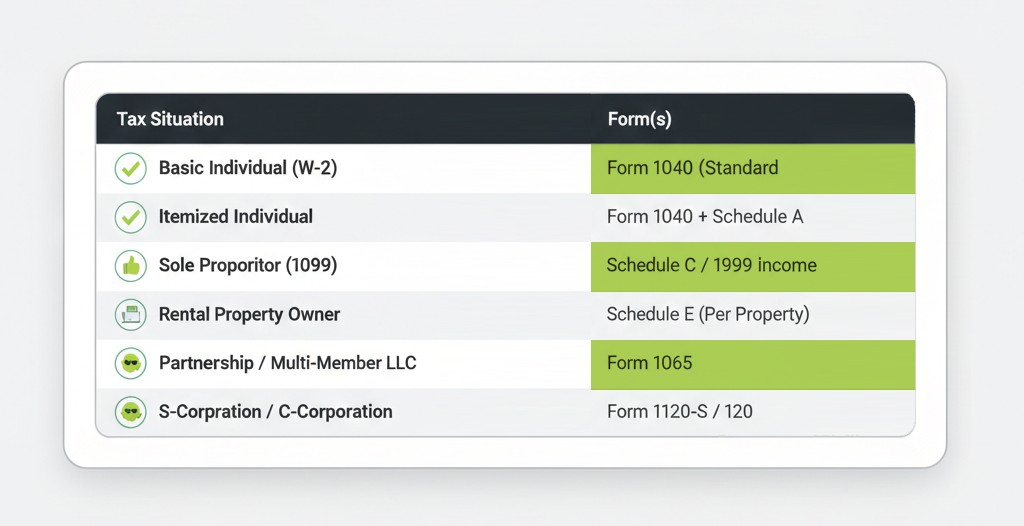
Based on national averages for 2026, here is what you should expect to budget for professional, high-quality services:
Factors That Influence Your Tax Preparation Cost
It is a common misconception that tax preparation services are a flat-rate commodity. In reality, several variables dictate the “elbow grease” required to ensure tax compliance and maximize tax optimization.
- Record Organization: If your bookkeeping is “shoe-box style,” a professional will need to perform significant “cleanup” work. Reliable providers often charge a premium of $150–$300 for disorganized records to account for the additional time required.
- Entity Complexity: Filing for an S-Corporation or C-Corporation involves balance sheet reconciliations and K-1 distributions, which carry a higher degree of IRS scrutiny than a simple 1040 tax return.
Strategic Advisory: A “cheap” preparer merely records the past. A tax strategy expert looks at the future, helping you leverage R&D credits or the permanent Qualified Business Income (QBI) deduction.
The Real Cost of "Cheap" Tax Help
Choosing a provider based solely on the lowest price often leads to significant long-term financial loss. For example, a business owner might save $500 on a “budget” preparer, only to have that preparer miss a $10,000 bonus depreciation opportunity or a critical tax credit.
Furthermore, professional fees often include a level of audit defense and tax relief services that budget software and part-time preparers simply cannot provide. When the IRS sends a notice, having a reliable partner who understands your tax liability is invaluable.
Investing in Your Financial Future
At Kiwitax Advisors, we view tax preparation as an investment in your financial health. By focusing on tax planning and financial advisory, we ensure that our clients are not merely “filing forms,” but are actively building wealth through smart, legal tax avoidance.
If you’re seeking clear, reliable support with tax preparation, working with a professional can help you navigate the process accurately and with less stress.